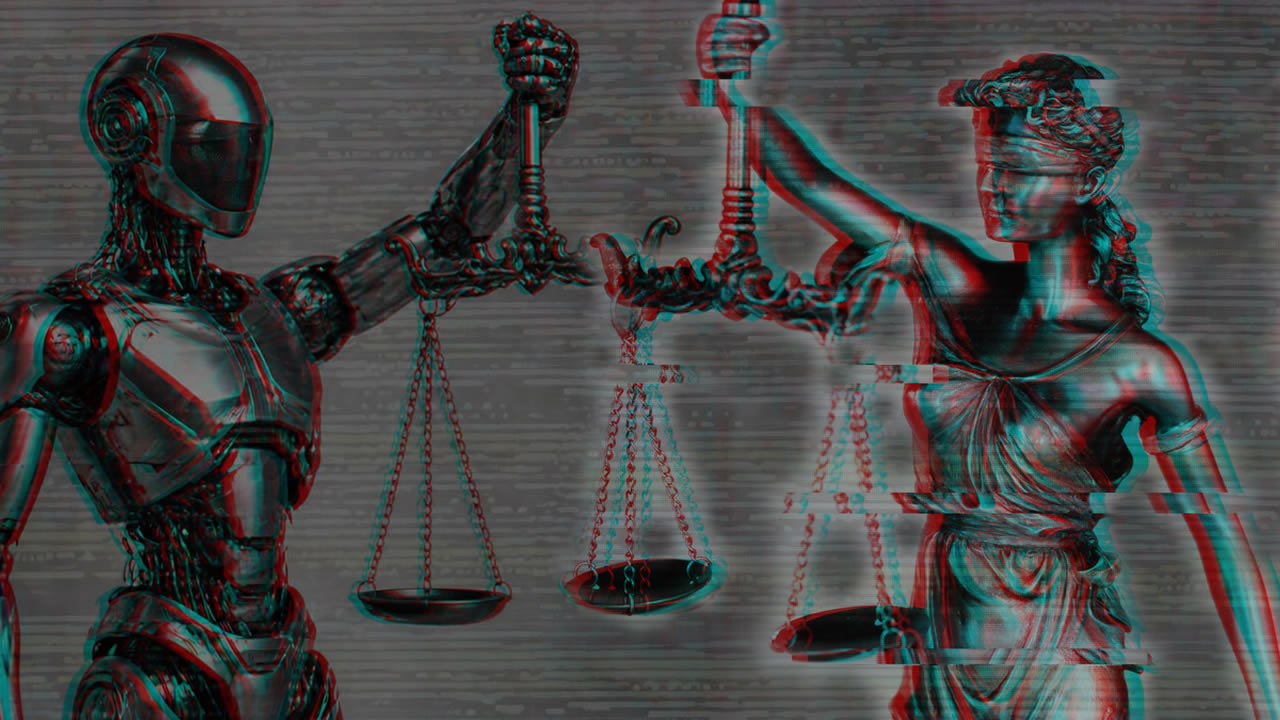
The concept of the “kill chain” has long been central to military strategy, but with the rise of artificial intelligence, it is being transformed into something faster, more autonomous, and far more controversial. In the context of tensions involving Iran and its adversaries, AI is no longer a supporting tool, it is increasingly embedded in every stage of identifying, tracking, and engaging targets.
This shift represents one of the most significant changes in warfare since the introduction of precision-guided munitions.
Understanding the Kill Chain
At its core, the kill chain is a structured sequence of steps used by military forces to engage a target. Traditionally, it follows a process: find, fix, track, target, engage, and assess.

In earlier conflicts, each of these steps required significant human involvement. Intelligence analysts would identify potential threats, commanders would make decisions, and operators would execute strikes. This process could take hours or even days.
AI compresses this timeline dramatically, turning what was once a linear, human-driven process into a near real-time automated loop.
Where AI Fits Into the Kill Chain
Artificial intelligence is not a single tool but a layer that enhances multiple stages of the kill chain simultaneously.
1. Intelligence Gathering and Target Identification
Modern conflicts generate enormous amounts of data, from satellite imagery to intercepted communications. AI systems are used to process this data at scale, identifying patterns and potential targets far faster than human analysts.
Machine learning models can scan hours of drone footage or satellite images and flag anomalies, vehicles, or infrastructure that match known threat signatures. In a conflict involving Iran, this could include identifying missile launch sites, weapons depots, or movement patterns of military units.
This dramatically reduces the time between detection and decision-making.
2. Target Tracking and Prediction
Once a target is identified, AI systems can track movement across multiple data sources. More importantly, they can predict behavior.
Predictive models can estimate where a target is likely to move, when it might relocate, or how it might respond to surveillance. This predictive capability is particularly valuable in asymmetric warfare, where targets are mobile and often concealed.
Instead of reacting to movement, forces can anticipate it.
3. Decision Support and Target Prioritization
AI is increasingly used to assist commanders in deciding which targets to engage. These systems can rank targets based on threat level, strategic value, and probability of success.
In high-intensity environments, such as those involving proxy groups or regional escalation linked to Iran, this prioritization can mean the difference between a successful operation and unintended escalation.
However, this is also where ethical concerns begin to intensify. The more decision-making is delegated to algorithms, the more questions arise about accountability.
4. Engagement and Autonomous Systems
AI is also embedded in the weapons themselves. Loitering munitions, autonomous drones, and smart missiles can use onboard AI to identify and strike targets without continuous human control.
These systems can adjust their flight paths, avoid defenses, and even select targets based on pre-programmed criteria.
This stage represents the most controversial use of AI in the kill chain, as it raises the possibility of machines making life-and-death decisions.
5. Battle Damage Assessment
After a strike, AI is used to assess its effectiveness. Computer vision systems analyze post-strike imagery to determine whether the target was destroyed, damaged, or missed.
This feedback loop allows for rapid re-engagement if necessary, further accelerating the kill chain.
The Iran Context: Why AI Matters Here
The strategic environment surrounding Iran makes it particularly suited to AI-driven warfare.
The region is characterized by proxy conflicts, distributed military assets, and the use of mobile missile systems. These factors create a complex battlefield where speed and information dominance are critical.
AI enables:
Faster detection of dispersed targets
Improved tracking of mobile launch systems
More precise strikes with reduced collateral damage (in theory)
Continuous surveillance across large geographic areas
At the same time, adversaries are also adopting similar technologies, leading to an AI arms race.
Risks and Ethical Concerns
While AI enhances efficiency, it also introduces new risks.
One major concern is the potential for errors at machine speed. If an AI system misidentifies a target, the decision to strike could be executed before a human has time to intervene.
There is also the issue of escalation. Faster kill chains reduce the time available for diplomatic intervention or de-escalation, increasing the likelihood of rapid conflict expansion.
Accountability becomes blurred as well. If an AI-assisted system makes a targeting decision, responsibility is shared between developers, operators, and commanders, making legal and ethical frameworks harder to apply.
The Future of AI in Warfare
AI is unlikely to be removed from the kill chain. Instead, it will become more deeply integrated.
Future developments may include:
Fully autonomous targeting systems operating at machine speed
AI-to-AI warfare where systems counter each other without human input
Enhanced cyber-physical integration, linking digital attacks with kinetic strikes
Greater reliance on predictive analytics for preemptive operations
In conflicts involving Iran and beyond, the side that can process information faster and act on it more efficiently will hold a significant advantage.
Artificial intelligence is not replacing the kill chain, it is redefining it. By accelerating every stage from detection to assessment, AI is compressing decision-making timelines and reshaping how wars are fought.
In the context of tensions involving Iran, Ukraine and Israel, this transformation is already underway. The implications are profound, not only for military effectiveness but for ethics, accountability, and global stability.
As AI continues to evolve, the question is no longer whether it will be used in warfare, but how much control humans will retain over the decisions it helps to make.