During the Cold War, South Africa quietly achieved something extraordinary: it became the only country in the world to design, build, and then voluntarily dismantle its own nuclear weapons.
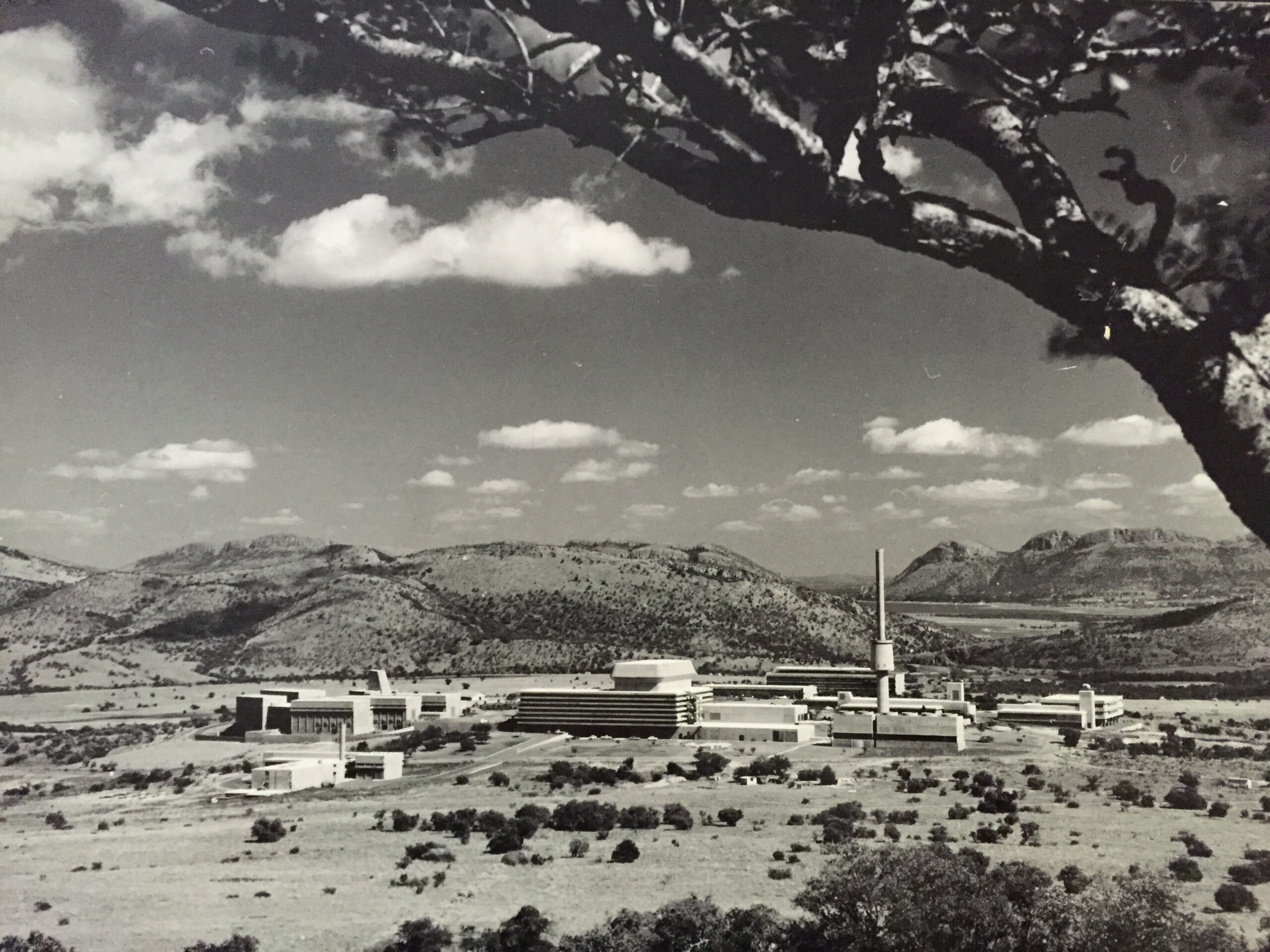
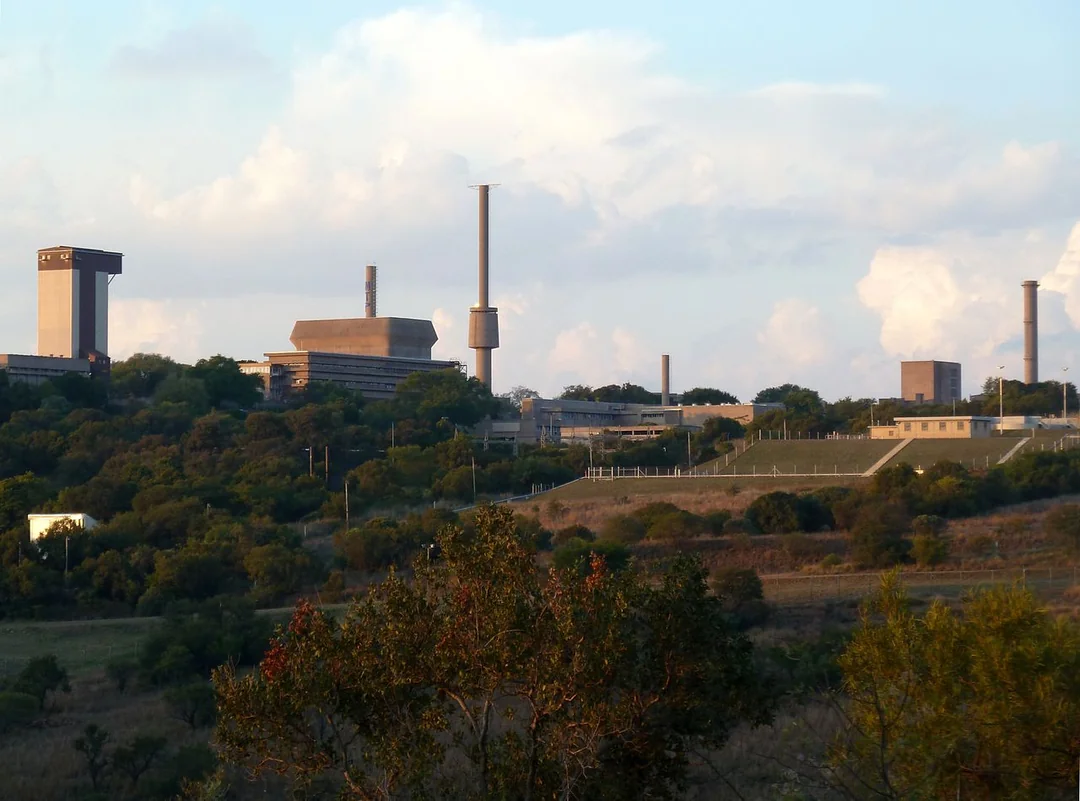
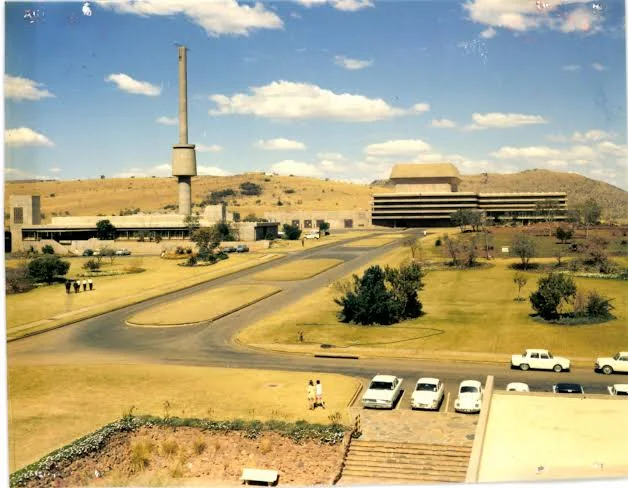
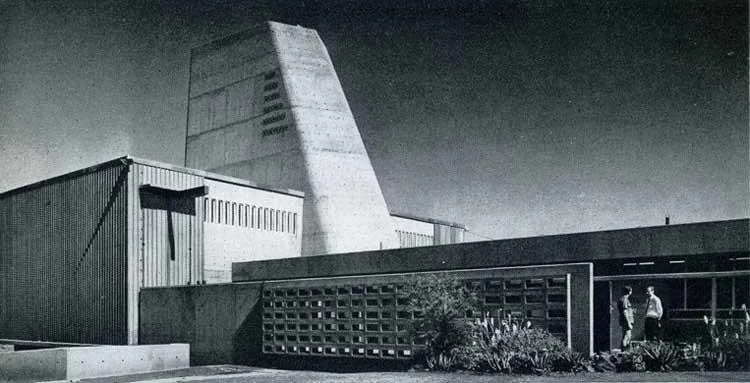
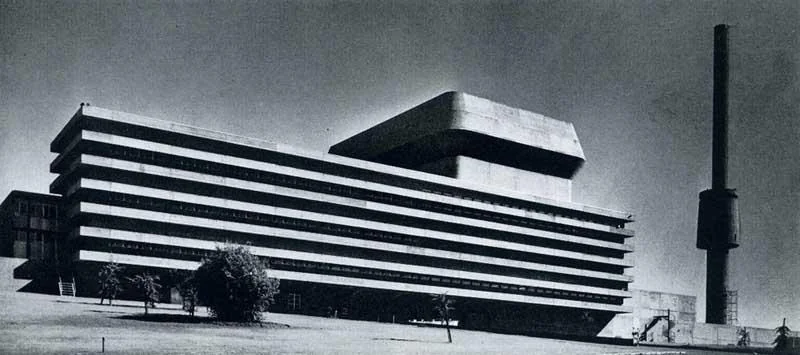
At the heart of this program was the nuclear research complex at Pelindaba Nuclear Research Centre, where scientists and engineers developed a complete nuclear weapons capability largely in isolation from the global scientific community.
Unlike other nuclear powers that relied on large alliances or massive industrial bases, South Africa’s program was defined by engineering ingenuity, self-reliance, and secrecy.
International sanctions meant that materials, equipment, and expertise had to be developed locally. Yet by the late 1980s the country had successfully built six nuclear weapons, with a seventh under construction.
Even more remarkable: by the early 1990s, those weapons were dismantled and verified by international inspectors.
This is the story of how it happened.
The Origins of the Program
South Africa’s nuclear journey began in the 1960s. The country already possessed a valuable resource: large uranium deposits, which provided the raw material needed for nuclear fuel and potentially nuclear weapons.
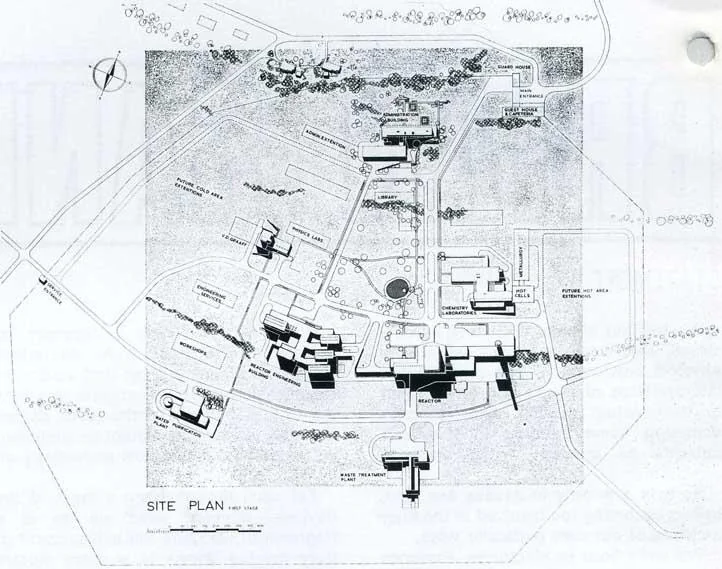
The early nuclear program focused on peaceful applications. A research reactor called SAFARI-1 was built at Pelindaba with American assistance, providing the country with a foundation in nuclear science and engineering.
However, geopolitical pressures soon reshaped the program. During the Cold War, South Africa faced:
- International isolation due to apartheid
- Military conflict in southern Africa
- Growing Soviet influence in neighboring states
These pressures pushed policymakers toward developing a nuclear deterrent. not necessarily for battlefield use, but as a strategic tool to influence global powers if the country faced existential threats.
By the early 1970s, the civilian nuclear research effort quietly transitioned into a secret weapons program.
Pelindaba is an isiZulu phrase meaning “end of the story” or “we will not talk about this anymore,” Valindaba means “the talking is over” or “about this we do not talk“.


Engineering a Bomb in Isolation
Developing nuclear weapons typically requires massive international scientific cooperation. South Africa had the opposite situation.
Because of sanctions and political isolation, the country had to build nearly every component of the nuclear fuel cycle itself
These included:
- Uranium enrichment technology
- Precision engineering equipment
- Specialized materials and control systems
This forced South African scientists to adopt a culture of extreme innovation and improvisation.
The program relied heavily on the country’s engineering expertise within the Atomic Energy Board (AEB) and the state arms company Armscor, which managed weapons design and manufacturing.
Despite limited resources, the engineers managed to master the entire process required to build nuclear weapons, from enriching uranium to assembling functional warheads.
The Ingenious Helikon Enrichment Process
The single greatest technical challenge in building nuclear weapons is producing highly enriched uranium (HEU).
Most nuclear powers used extremely complex gas centrifuges or diffusion plants. But South Africa developed its own unusual method known as the:
Helikon vortex separation process
This system used aerodynamic vortex tubes to separate uranium isotopes. Instead of spinning centrifuges at extremely high speeds, the Helikon method relied on high-velocity gas flow inside specially designed tubes.
The enrichment facility was built at Valindaba, near Pelindaba.
While the Helikon system was less efficient than modern centrifuges, it had two advantages:
- It could be developed domestically, without importing restricted technology.
- It relied on engineering rather than ultra-precision manufacturing, which suited South Africa’s industrial capabilities.
The facility, known as the Y-Plant began producing weapons-grade uranium in 1978.
Using this enriched uranium, the program produced enough material to assemble six nuclear devices.
Simplicity by Design: The Gun-Type Bomb
Rather than pursuing advanced implosion weapons like those used by major nuclear powers, South Africa opted for a simpler “gun-type” nuclear device.
This design works by firing one piece of uranium into another, forming a critical mass that triggers a nuclear explosion.
The advantages of this design were:
- Easier engineering requirements
- High reliability
- No need for sophisticated nuclear testing
Each South African weapon reportedly used 50–60 kilograms of highly enriched uranium and had an estimated explosive yield of 10–18 kilotons, similar to the bomb dropped on Hiroshima.
By the late 1980s, the country had:
- Six completed nuclear weapons
- One additional weapon under construction
Secret Storage and Deployment Plans
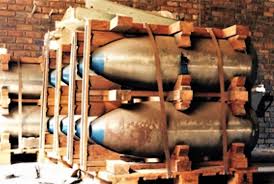
The nuclear weapons were assembled and stored at a highly secure facility near Pelindaba known as the Circle Facility.
Security procedures were extremely strict.
To reduce risks and maintain control, the weapons were stored in partially disassembled form, with critical components separated. This meant a bomb could not be immediately detonated without reassembly.
Key features of the storage system included:
- Underground vaults
- Strict military security
- Separate storage of nuclear cores and bomb assemblies
This design ensured both safety and political control, allowing the government to maintain the weapons without keeping them fully operational at all times.
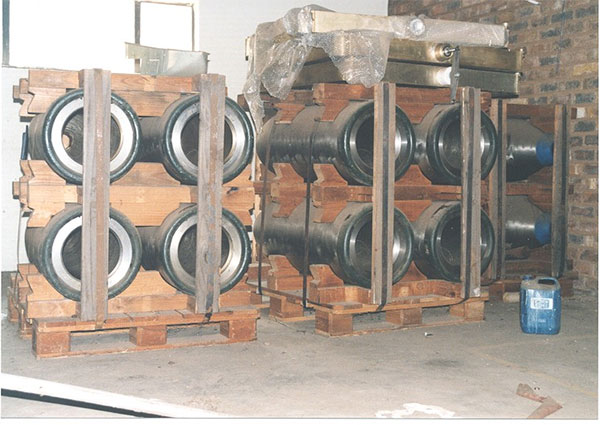
Delivery systems were also considered. The most likely platform was the Buccaneer bomber, which could carry the nuclear device if necessary.
The Decision to Dismantle the Arsenal
In 1989, a historic decision was made.
The government under F. W. de Klerk ordered the complete termination of the nuclear weapons program.
Several factors contributed to this decision:
- The Cold War was ending
- Regional conflicts were winding down
- South Africa was preparing for political transformation
- The government wanted reintegration into the international community
The dismantling process began secretly in 1990.
The goal was not simply to disarm, but to prove beyond doubt that the weapons had been destroyed.
How the Weapons Were Dismantled
The dismantling process was meticulous and highly controlled. Key steps included:
1. Disassembling the Warheads
The six completed nuclear weapons were taken apart piece by piece.
2. Removing the Nuclear Material
The highly enriched uranium was removed from the bombs and melted down into ingots.
3. Returning Material to Pelindaba
The uranium was transported back to Pelindaba and placed under strict control of the Atomic Energy Corporation.
4. Destroying Production Infrastructure
The enrichment facilities and weapon production systems were dismantled or converted to civilian use.
5. Independent Oversight
The process was overseen by independent experts and verified by international inspectors.
Proving the Program Was Gone
After the dismantling was complete, South Africa joined the International Atomic Energy Agency safeguards system.
International inspectors carefully examined:
- Nuclear facilities
- Records and documentation
- Nuclear material inventories
- Former weapons sites
In 1994, the IAEA confirmed that:
- Six nuclear weapons had been dismantled
- One unfinished weapon had been destroyed
- All nuclear materials were accounted for
South Africa officially joined the Treaty on the Non‑Proliferation of Nuclear Weapons in 1991.
This made it the first and only country to voluntarily give up nuclear weapons that it built itself.
The Legacy of Pelindaba
Today, Pelindaba still operates as a nuclear research center focused on peaceful uses of nuclear technology, including medical isotope production.
South Africa’s nuclear story remains unique in world history.
It demonstrates that:
- A technologically capable country can develop nuclear weapons independently.
- Engineering ingenuity can overcome severe sanctions and isolation.
- And perhaps most importantly, nuclear disarmament is possible when political conditions change.
Few nations have ever walked the full path from nuclear development to verified dismantlement.
South Africa did.
South Africa’s Nuclear Weapons program timeline
Pelindaba / Valindaba Nuclear Complex
1960s
│
├─ 1961 – Construction begins on SAFARI-1 nuclear research reactor at Pelindaba.
│
├─ 1965 – SAFARI-1 reactor goes critical, marking South Africa’s entry into
│ advanced nuclear research.
│
├─ Late 1960s – Atomic Energy Board begins studying nuclear explosives,
│ initially for mining and engineering uses.
│
1970s
│
├─ 1971 – Government approves research into “peaceful nuclear explosives.”
│
├─ 1971–1975 – Construction of the Y-Plant uranium enrichment facility
│ at Valindaba begins.
│
├─ 1974 – Work begins on a gun-type nuclear weapon design.
│
├─ 1977 – First complete nuclear bomb package assembled.
│
├─ 1979 – Vela satellite detects a mysterious double flash near Antarctica,
│ suspected by some analysts to be a nuclear test.
│
1980s
│
├─ 1981 – Armscor establishes Kentron Circle nuclear weapons facility.
│
├─ Early 1980s – Full production of nuclear weapons begins.
│
├─ Mid-1980s – South Africa possesses several operational nuclear bombs.
│
├─ Late 1980s – Total arsenal reaches 6 completed nuclear weapons
│ with a 7th under construction.
│
1989–1994
│
├─ 1989 – President F.W. de Klerk orders the nuclear weapons program terminated.
│
├─ 1990–1991 – All six nuclear weapons are dismantled.
│
├─ 1991 – South Africa signs the Nuclear Non-Proliferation Treaty (NPT).
│
├─ 1993 – Government publicly reveals the former nuclear weapons program.
│
└─ 1994 – International Atomic Energy Agency verifies that all weapons
and nuclear materials have been dismantled and accounted for.
The 2007 Pelindaba Security Breach: A Security Wake-Up Call
In November 2007, long after South Africa had dismantled its nuclear weapons, the Pelindaba Nuclear Research Centre was the target of a highly alarming security breach.
Shortly after midnight, two coordinated groups of armed intruders cut through perimeter fencing, bypassed high-voltage security systems, and even managed to disable alarms. One group made it deep into the facility, entering the emergency control center, where they held a staff member at gunpoint and shot another employee during a confrontation.
Despite penetrating multiple layers of security, the attackers ultimately fled without stealing any nuclear material. Their escape was reportedly triggered when staff resisted and raised the alarm.
What made the incident particularly concerning was the level of sophistication involved. Investigations suggested:
- The attackers had detailed knowledge of the facility’s security systems
- Multiple security layers were bypassed, including electrified fences
- There may have been insider assistance
At the time, South African authorities publicly described the incident as a failed burglary, but international analysts and independent investigations raised more serious concerns, suggesting the raid may have been a targeted attempt to access nuclear material or sensitive technology.
Where Is the Case Today?
Nearly two decades later, the Pelindaba break-in remains unsolved.
- No suspects were successfully prosecuted
- Early arrests were made but those individuals were later released
- No definitive motive has ever been confirmed
Reports years later indicated that no one had been charged and no clear conclusions were publicly established, leaving the case shrouded in uncertainty. The incident continues to be cited globally as a case study in nuclear security risks, particularly concerning the protection of highly enriched uranium (HEU) that remained at the site after the weapons program ended.
Why It Still Matters
Although South Africa successfully dismantled its nuclear arsenal, the 2007 break-in highlighted a critical reality:
Ending a nuclear weapons program does not eliminate all nuclear security risks.
The Pelindaba incident remains a powerful reminder that:
- Even advanced facilities can be vulnerable to coordinated attacks
- Nuclear materials must be secured indefinitely
- Insider threats are among the most serious risks



[…] of that South African ingenuity. We developed atomic bombs while being sanctioned. We developed our own technology for every stage of the weapons, including […]