The Plastic Boom: A Love Story That Aged Poorly
The 1970s marked the golden era of plastics. Cheap oil, rapid industrialisation, and a culture obsessed with convenience turned plastic into a miracle material. From food packaging to medical equipment, from toys to textiles, plastics were everywhere, and for good reason. They were lightweight, durable, moldable, and incredibly cheap to produce. Entire industries reshaped themselves around polymers, and consumers embraced the “throwaway” lifestyle without hesitation.
Back then, plastic symbolised progress. Today, it increasingly represents one of the most complex environmental and public health challenges humanity has ever created. Now before we cry about the situation let’s remind ourselves how we got here. Some seriousness before the serious. How soon is too soon, not soon enough.
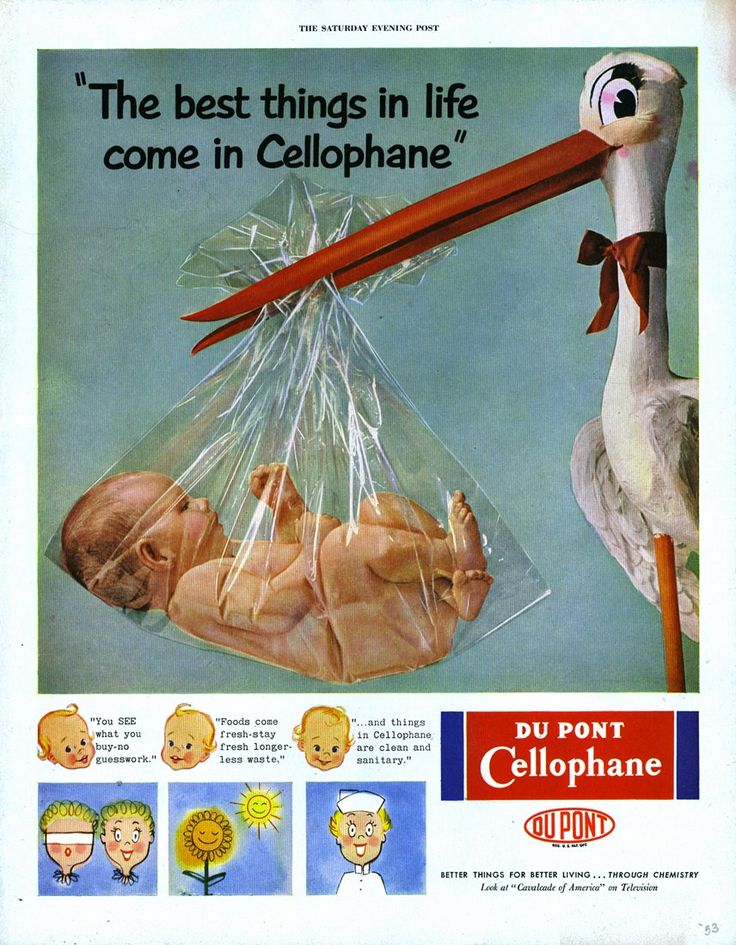
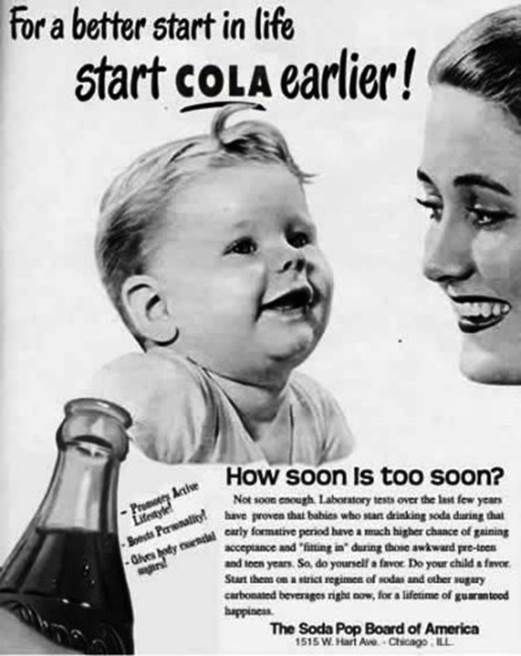



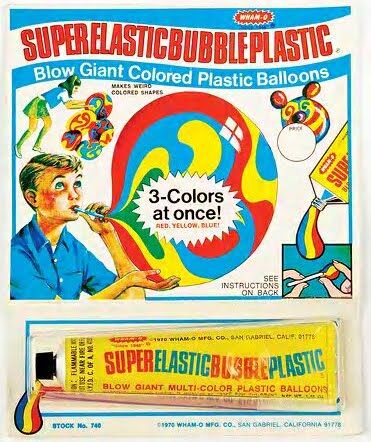
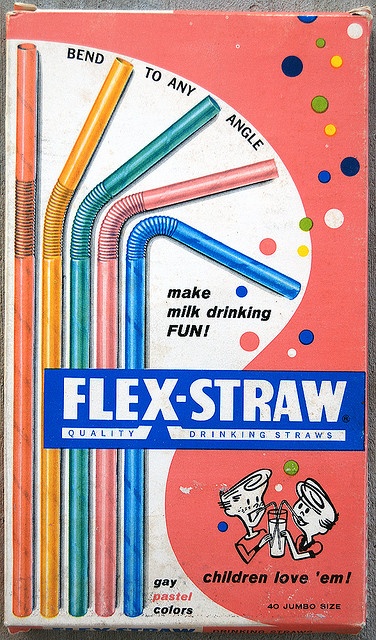


And, lets not forget the king of em all
They were so successful in taking over
people called the whole category of product …
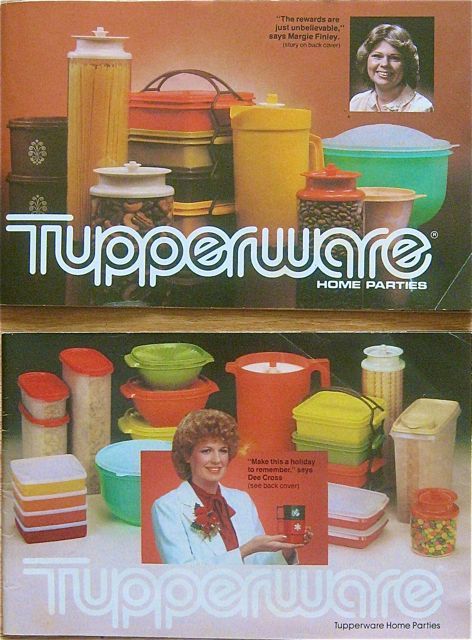
How Plastics Are Made: The Chemistry Behind the Convenience
At their core, plastics are synthetic polymers derived primarily from fossil fuels like crude oil and natural gas. The process begins with refining petroleum into smaller hydrocarbon molecules such as ethylene and propylene. Through a process called polymerisation, these molecules are chemically bonded into long chains, forming materials like polyethylene (used in plastic bags) and polypropylene (used in containers and packaging).
But raw polymers alone don’t give plastics their versatility. Manufacturers add a cocktail of chemical additives to achieve specific properties like flexibility, durability, transparency, flame resistance, and more. These additives are where many of the real dangers begin to emerge.
Phthalates: The Hidden Softeners in Everyday Life
Among the most concerning additives are phthalates. A group of chemicals used to make plastics more flexible and harder to break. Often referred to as “plasticisers,” phthalates are commonly found in:
- Vinyl flooring and wall coverings
- Shower curtains
- Food packaging and cling wrap
- Medical devices like IV tubing
- Cosmetics, including perfumes, nail polish, and lotions
The problem with phthalates is that they are not chemically bound to the plastic. This means they can leach out over time, entering the air, food, water, and ultimately, the human body.
Scientific research has linked phthalate exposure to hormone disruption, particularly affecting the endocrine system. This disruption is especially concerning during developmental stages, where even small exposures can have long-term effects.

Forever Chemicals: The Problem That Won’t Go Away
If phthalates are troubling, “forever chemicals” raise the stakes even higher. Known scientifically as PFAS (per- and polyfluoroalkyl substances), these chemicals are designed to resist heat, water, and oil. Their defining characteristic is their persistence.
They do not break down naturally in the environment or the human body.
A major turning point in public awareness came when scientists discovered PFAS in a wide range of consumer products, including cosmetics. Studies found that over half of 100 popular makeup products tested contained high levels of fluorine, an indicator of PFAS presence.
Key Findings from Cosmetic Studies
- 56% of foundations and eye products tested positive for PFAS
- 48% of lip products contained these chemicals
- Many products failed to disclose PFAS on their ingredient lists
Visual Snapshot of PFAS Presence in Cosmetics
Product Type       | % Containing PFAS
-------------------|------------------
Foundations        | ████████████████ 56%
Eye Products       | ████████████████ 56%
Lip Products       | ████████████     48%
Notable Coverage at the Time
- “Toxic ‘Forever Chemicals’ Found in Cosmetics” – widely reported across major outlets
- Investigations highlighted lack of transparency in ingredient labeling
- Public pressure led to increased scrutiny, but limited regulatory action
These chemicals are not confined to makeup. PFAS are widely used in:
- Non-stick cookware – So nice
- Waterproof clothing – Yes please
- Firefighting foams – Why not
- Food packaging (especially grease-resistant materials) – Love it
Plastic Pollution in Food and Ecosystems
The spread of plastic pollution has now reached every corner of the planet, including our food chain.
Where Plastics Are Showing Up
- Fish and seafood: Microplastics have been found in the digestive systems and flesh of marine life
- Crops: Contaminated soil and irrigation water introduce plastics into agricultural produce
- Drinking water: Both bottled and tap water have tested positive for microplastic particles
Over time, these particles accumulate in the human body. While research is ongoing, early findings suggest potential links to inflammation, cellular damage, and chemical toxicity.
The Fertility Crisis: A Disturbing Link
One of the most alarming developments in recent years is the observed decline in male fertility. Research led by Shanna Swan has brought global attention to the issue.
Her findings suggest that sperm counts in men have dropped by more than 50% over the past few decades in Western countries, with similar trends emerging globally.
Key Insights from the Research
- Decline strongly correlates with increased exposure to endocrine-disrupting chemicals
- Phthalates and similar compounds are identified as major contributors
- Prenatal exposure appears to have lasting effects on reproductive health
Media Coverage at the Time
- “Sperm Count Zero by 2045?” headlines sparked widespread concern
- Discussions linked environmental toxins directly to human fertility
- Renewed focus on chemical regulation and public health
The implications are profound. If current trends continue, declining fertility could reshape societies, economies, and even the future of human reproduction.
How Did We Get Here? Weak Laws or Clever Workarounds?
The persistence of harmful chemicals in everyday products raises an uncomfortable question: why haven’t regulations stopped this?
The answer lies in a mix of factors:
- Regulatory lag: Laws often trail behind scientific discovery
- Chemical substitution: Banned substances are replaced with structurally similar alternatives that may be just as harmful
- Lack of transparency: Companies are not always required to disclose full chemical compositions
- Global supply chains: Products manufactured in regions with weaker regulations enter stricter markets
In many cases, the burden of proof falls on regulators to demonstrate harm, rather than on manufacturers to prove safety.
Can We Replace Plastics?
There is growing momentum toward safer alternatives, but scaling them remains a challenge.
Promising Alternatives
- Bioplastics derived from plant materials like corn starch
- Glass and stainless steel for food storage
- Silicone as a more stable alternative in some applications
- Advanced biodegradable polymers still under development
However, no single material has yet matched the versatility and low cost of traditional plastics. Transitioning away will require innovation, investment, and systemic change.
A Self-Made Problem With Existential Stakes
Plastics transformed the modern world but at a cost we are only beginning to understand. From hormone-disrupting phthalates to persistent forever chemicals, the materials that made life easier may now be quietly undermining human health and environmental stability.
The decline in fertility adds a deeply personal dimension to the issue. This is no longer just about pollution – it’s about the long-term viability of our species.
So the question becomes philosophical as much as scientific: do we need stronger laws to protect humanity from its own inventions, especially self harming ones? There are quite a few in the tech, food and pharmaceutical industries. Plastic is a biggie and it won’t help you get rid of plastic straws but still use plastic cups. That really just shows your level of ignorance.
Because if current trends continue and if fertility drops, ecosystems degrade, and chemical exposure increases – we may be facing more than an environmental crisis. We may be engineering our own decline.
And perhaps that’s why figures like Elon Musk talk about becoming a multi-planetary species. A fresh start. A clean slate.
But if we ever do make it to Mars before we are either ruled by AI or wiped out by plastics, one thing should be clear:
Leave the plastics behind. Now, before im being called a plasticphobe, lets get serious again. The days when fake advertising was not as prevalent as today. Or was it… Is plastic really good for us. I’m confused now…



[…] industries invested heavily in fossil fuels, plastics, and chemical production. These industries had strong financial incentives to promote their own products over natural […]